
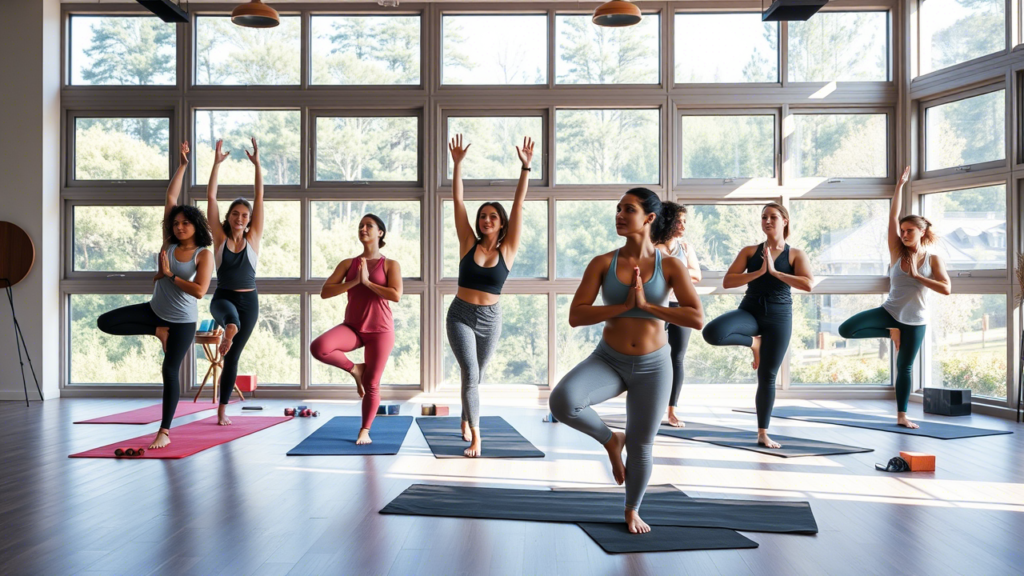
Menstrual cramps, also known as dysmenorrhea, are a common experience for many women. The discomfort, ranging from mild to severe, can disrupt daily activities and negatively impact quality of life. While over-the-counter pain relievers are often relied upon, natural remedies such as yoga have been increasingly recognized for their effectiveness in alleviating menstrual pain. This article explores how yoga can be used to relieve menstrual cramps, offering a gentle, holistic approach to managing this monthly challenge.
Understanding Menstrual Cramps https://www.mayoclinic.org/diseases-conditions/menstrual-cramps/symptoms-causes/syc-20374938
Menstrual cramps are caused by the contraction of the uterine muscles as they shed their lining during menstruation. These contractions can lead to pain, bloating, fatigue, and even emotional distress. For some women, the pain is mild and manageable, while for others, it can be debilitating.
The use of yoga for menstrual cramps relief is supported by its ability to relax the body, improve blood circulation, and reduce stress. By incorporating specific yoga poses and breathing techniques, the discomfort associated with menstrual cramps can be significantly reduced.
The Benefits of Yoga for Menstrual Cramps
Yoga is not only a physical practice but also a mental and spiritual one. Its benefits for menstrual cramps are multifaceted:
- Muscle Relaxation: Gentle stretches and poses help relax the pelvic muscles, reducing the intensity of cramps.
- Improved Blood Flow: Yoga promotes circulation, which can alleviate pain and reduce bloating.
- Stress Reduction: Breathing techniques and mindfulness practices lower stress levels, which can exacerbate menstrual pain.
- Hormonal Balance: Regular yoga practice has been shown to regulate hormones, potentially reducing the severity of cramps over time.
Yoga Poses for Menstrual Cramps Relief
The following yoga poses are specifically recommended for relieving menstrual cramps. These poses are gentle and can be easily incorporated into a daily routine during menstruation.
1. Child’s Pose (Balasana)
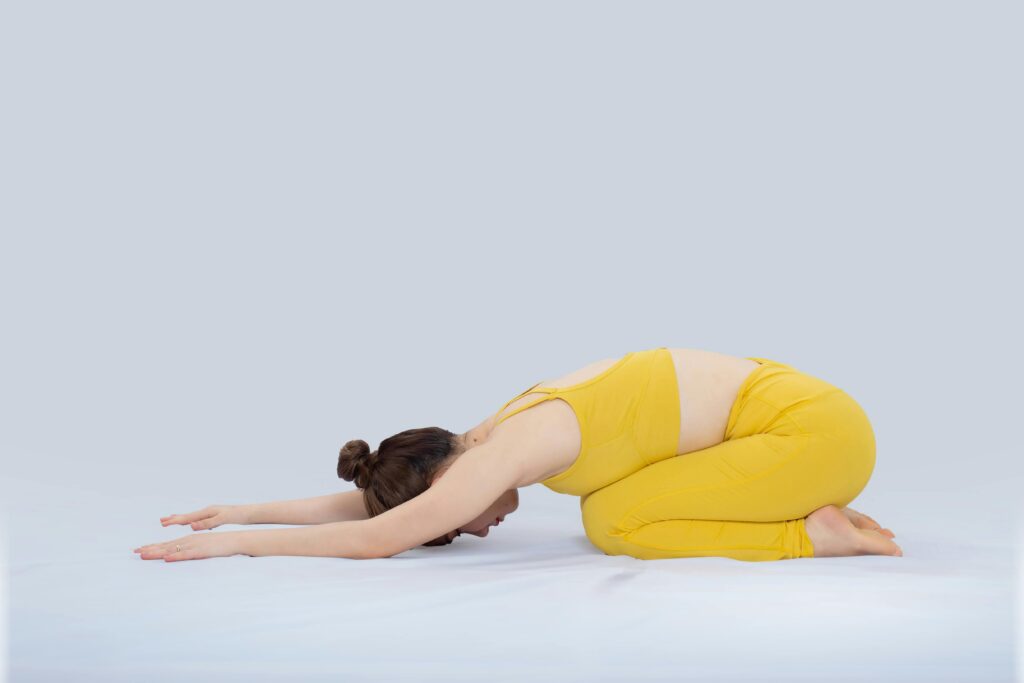
Child’s Pose is a restorative posture that helps relax the lower back and pelvic area. To perform this pose:
- Kneel on the floor, sitting back on your heels.
- Slowly lower your torso forward, extending your arms in front of you.
- Rest your forehead on the mat and hold the pose for 1-3 minutes.
This pose is particularly effective for relieving tension in the lower abdomen and back, areas often affected by menstrual cramps.
2. Cat-Cow Pose (Marjaryasana-Bitilasana)
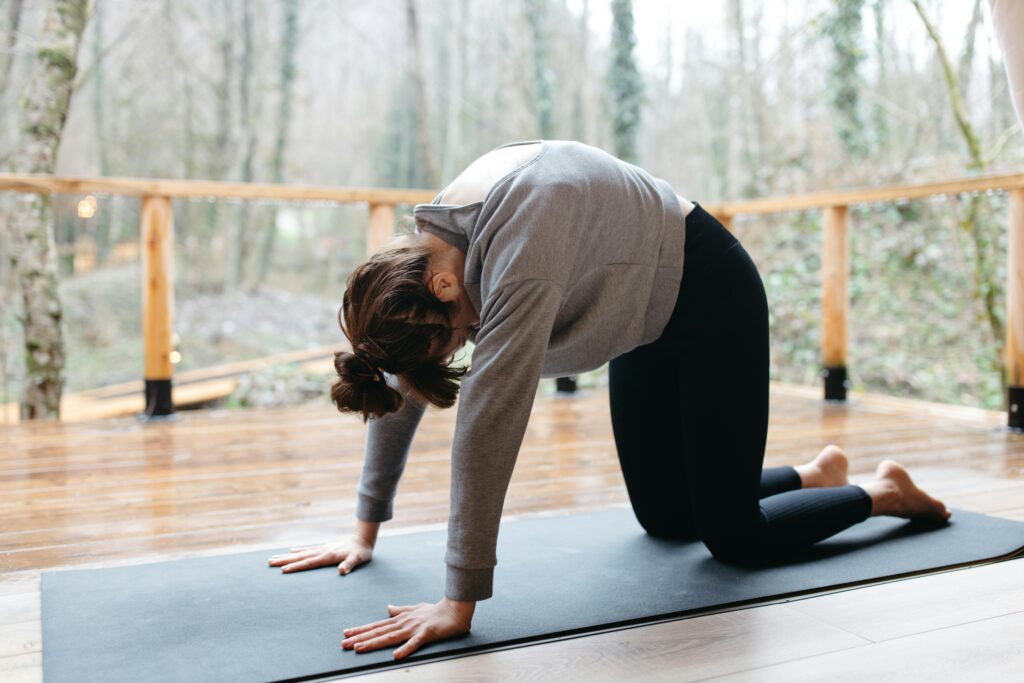
The Cat-Cow Pose is a gentle flow that stretches the spine and relaxes the pelvic muscles. To perform this pose:
- Start on your hands and knees in a tabletop position.
- Inhale as you arch your back, lifting your head and tailbone (Cow Pose).
- Exhale as you round your spine, tucking your chin to your chest (Cat Pose).
- Repeat this flow for 1-2 minutes.
This movement helps to release tension in the lower back and improves circulation to the pelvic region.
3. Reclining Bound Angle Pose (Supta Baddha Konasana)
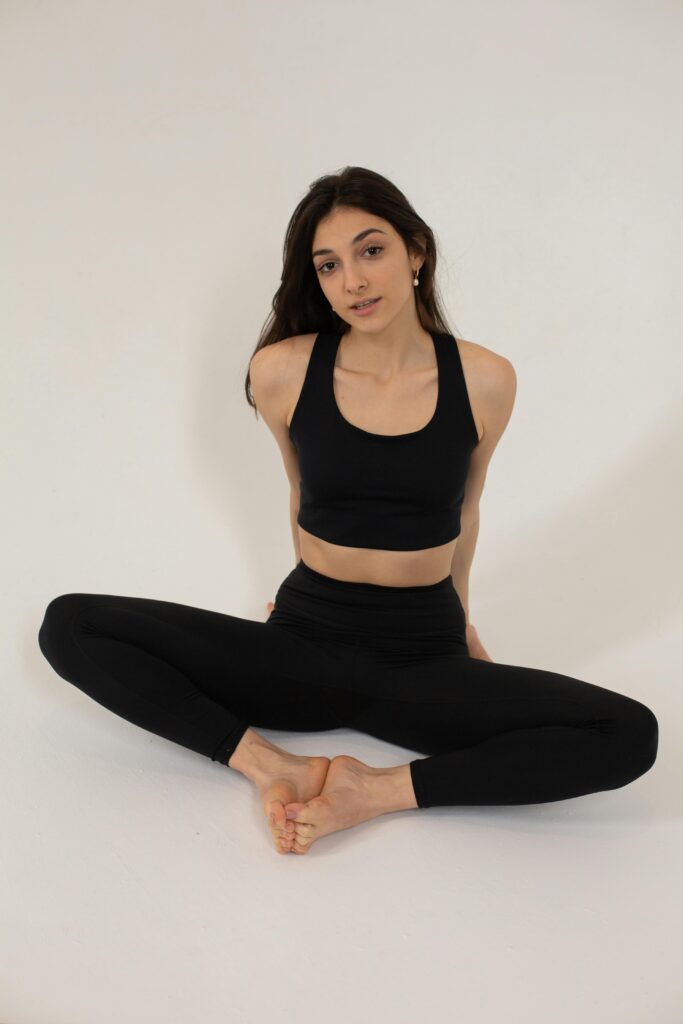
The reclining Bound Angle Pose is a deeply relaxing posture that opens the hips and promotes blood flow to the pelvic area. To perform this pose:
- Lie on your back with your knees bent and the soles of your feet together.
- Allow your knees to fall open to the sides, creating a diamond shape with your legs.
- Place your arms at your sides, palms facing up, and hold the pose for 3-5 minutes.
This pose is especially soothing for women experiencing severe menstrual cramps.
4. Seated Forward Bend (Paschimottanasana)
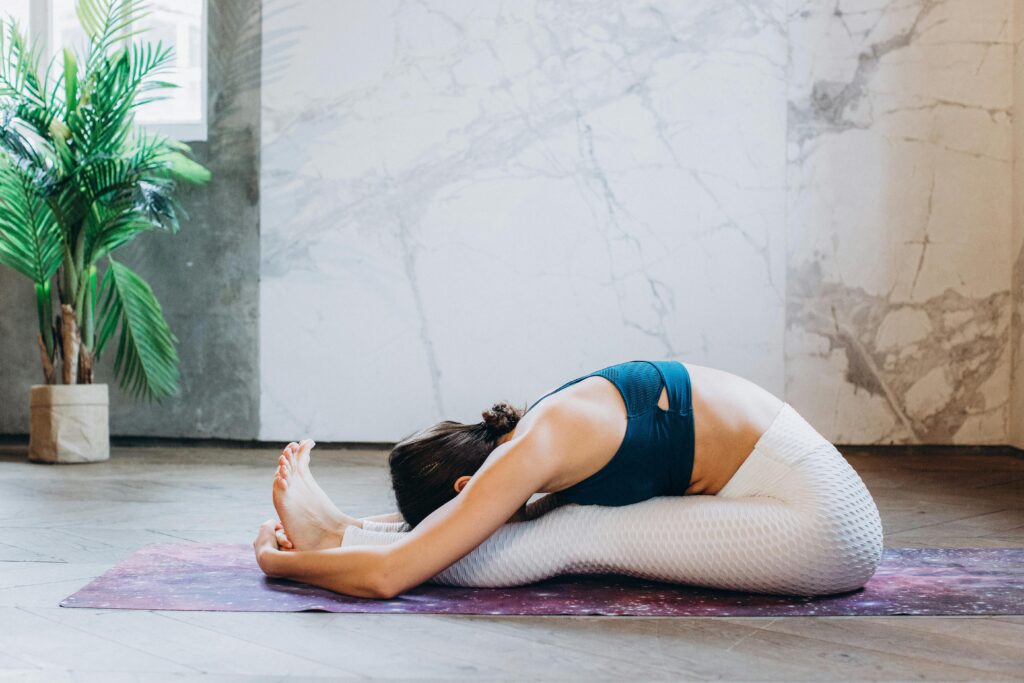
The Seated Forward Bend stretches the lower back and hamstrings, providing relief from cramping. To perform this pose:
- Sit on the floor with your legs extended straight in front of you.
- Inhale and lengthen your spine, then exhale as you fold forward from the hips.
- Reach for your feet or shins, keeping your back straight.
- Hold the pose for 1-2 minutes.
This pose helps to calm the mind and relieve tension in the lower body.
5. Legs-Up-The-Wall Pose (Viparita Karani)
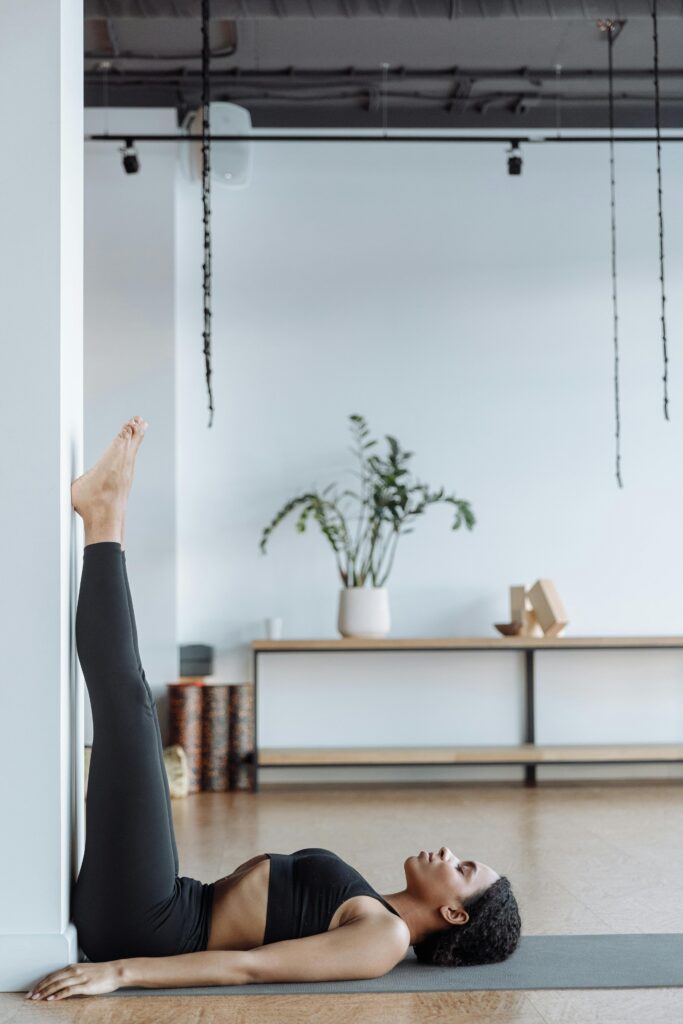
Legs-Up-The-Wall Pose is a restorative inversion that promotes relaxation and reduces swelling. To perform this pose:
- Sit close to a wall and swing your legs up so that they rest against the wall.
- Lie back and extend your arms at your sides, palms facing up.
- Hold the pose for 5-10 minutes.
This pose is particularly beneficial for reducing bloating and improving circulation.
6. Cobra Pose (Bhujangasana)
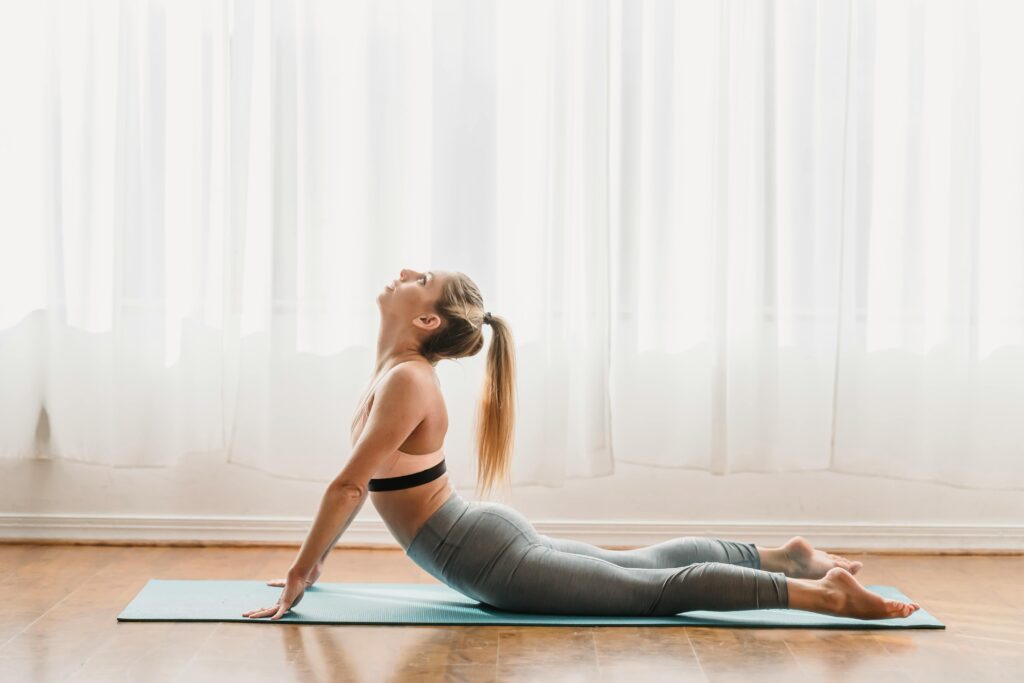
Cobra Pose is a gentle backbend that stretches the abdomen and relieves tension in the lower back. To perform this pose:
- Lie on your stomach with your legs extended and the tops of your feet pressing into the mat.
- Place your hands under your shoulders, elbows close to your body.
- Inhale as you lift your chest off the mat, keeping your elbows slightly bent.
- Hold the pose for 15-30 seconds, then slowly lower back down.
This pose helps to stretch the abdominal muscles and improve blood flow to the pelvic region.
7. Bridge Pose (Setu Bandhasana)
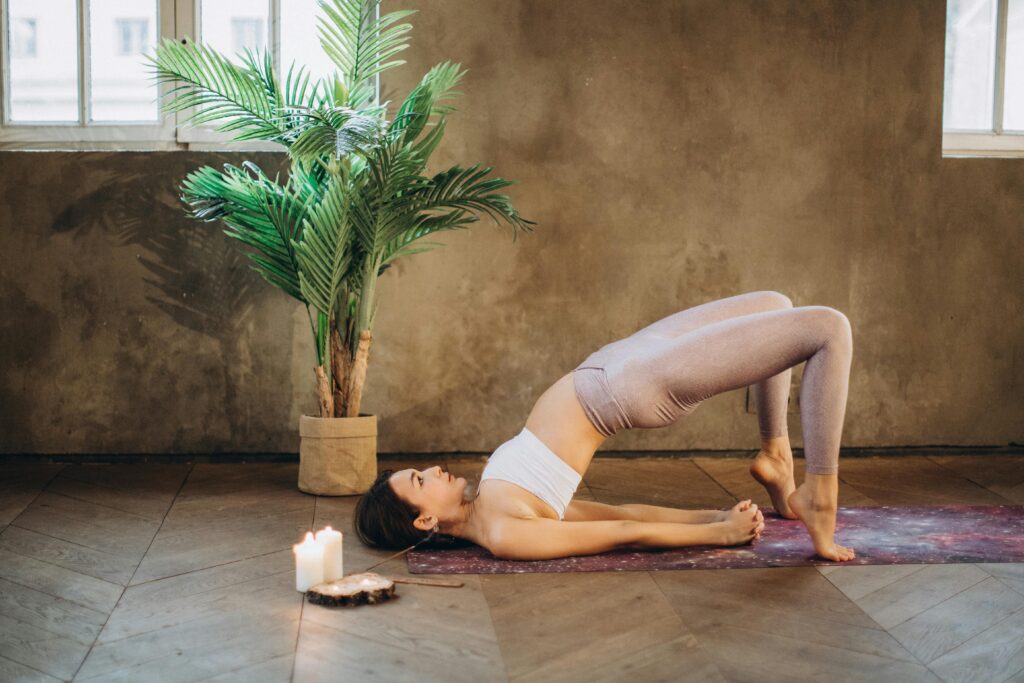
Bridge Pose is a gentle backbend that strengthens the back muscles and opens the chest. To perform this pose:
- Lie on your back with your knees bent and feet flat on the mat, hip-width apart.
- Place your arms at your sides, palms facing down.
- Inhale as you lift your hips towards the ceiling, pressing your feet and arms into the mat.
- Hold the pose for 30 seconds to 1 minute, then slowly lower back down.
This pose helps to relieve tension in the lower back and improves circulation to the pelvic area.
8. Butterfly Pose (Baddha Konasana)
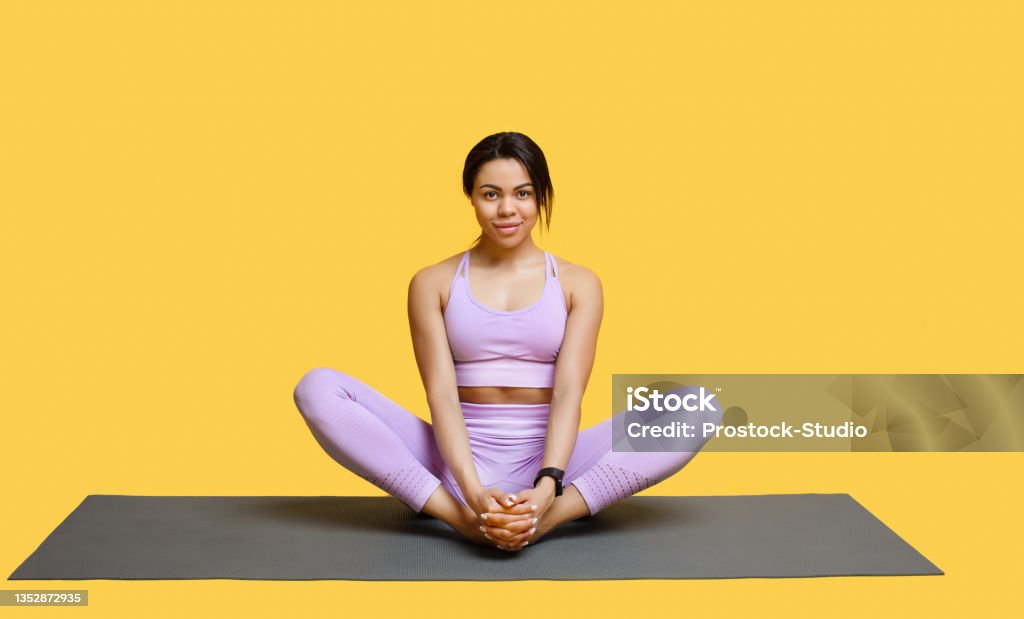
Butterfly Pose is a seated posture that opens the hips and stretches the inner thighs. To perform this pose:
- Sit on the floor with your legs extended straight in front of you.
- Bend your knees and bring the soles of your feet together, allowing your knees to fall open to the sides.
- Hold your feet with your hands and sit up tall.
- Gently flip your knees up and down like butterfly wings for 1-2 minutes.
This pose helps to relieve tension in the hips and improve blood flow to the pelvic region.
9. Supine Twist (Supta Matsyendrasana)
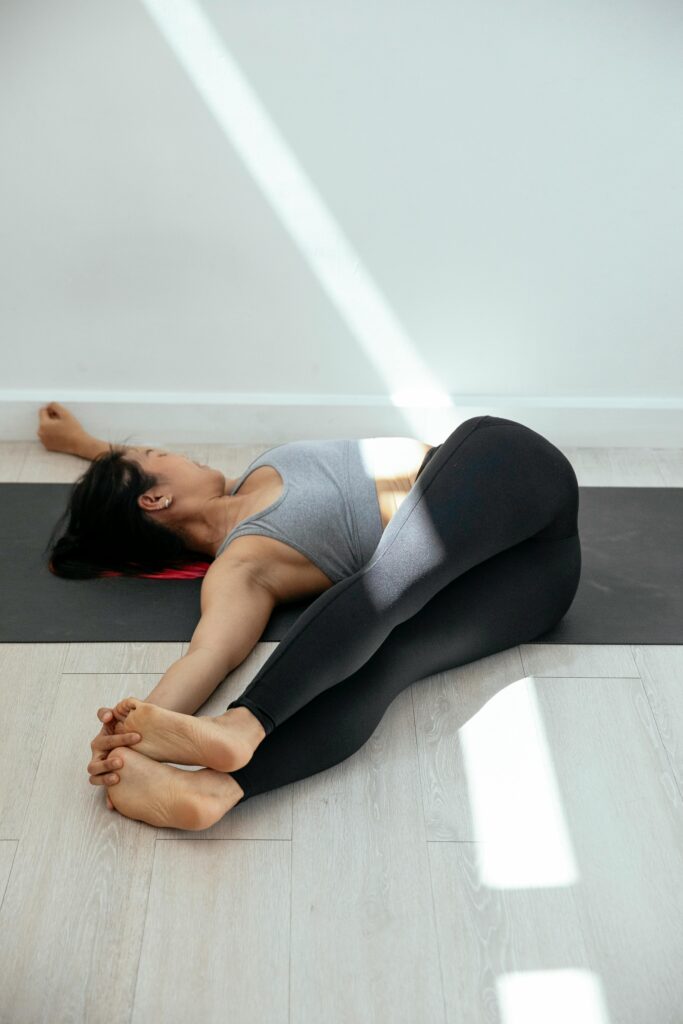
Supine Twist is a gentle twisting posture that stretches the lower back and hips. To perform this pose:
- Lie on your back with your legs extended straight in front of you.
- Bend your right knee and draw it towards your chest.
- Extend your right arm out to the side and gently guide your right knee across your body to the left, allowing your torso to twist.
- Turn your head to the right and hold the pose for 1-2 minutes.
- Repeat on the other side.
This pose helps to relieve tension in the lower back and improves circulation to the pelvic area.
10. Corpse Pose (Savasana)
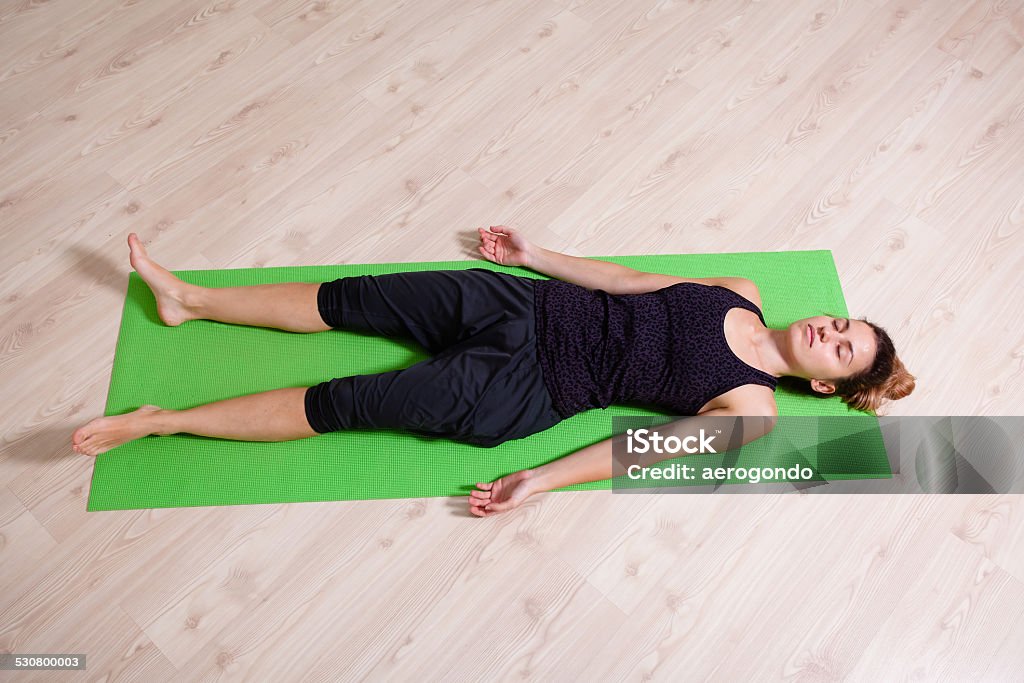
Corpse Pose is a deeply relaxing posture that promotes overall relaxation and stress relief. To perform this pose:
- Lie on your back with your legs extended straight in front of you and your arms at your sides, palms facing up.
- Close your eyes and focus on your breath, allowing your body to completely relax.
- Hold the pose for 5-10 minutes.
This pose helps to calm the mind and reduce stress, which can exacerbate menstrual pain.
Read our Article about “Menstrual Pain 10 Natural Solutions For Effectively” scientifically proved”https://womenfitzone.in/10-natural-solutions-to-relieve-menstrual-pain-effectively-based-on-scientific-research/
Breathing Techniques for Menstrual Cramps Relief
In addition to yoga poses, specific breathing techniques can enhance the effectiveness of your practice. Deep breathing helps to relax the body, reduce stress, and alleviate pain.
1. Diaphragmatic Breathing
Diaphragmatic breathing, also known as belly breathing, involves deep inhalations that expand the diaphragm. To practice this technique:
- Sit or lie down in a comfortable position.
- Place one hand on your chest and the other on your abdomen.
- Inhale deeply through your nose, allowing your abdomen to rise.
- Exhale slowly through your mouth, feeling your abdomen fall.
- Repeat for 5-10 minutes.
This technique helps to calm the nervous system and reduce the intensity of cramps.
2. Alternate Nostril Breathing (Nadi Shodhana)
Alternate Nostril Breathing is a balancing technique that promotes relaxation and mental clarity. To practice this technique:
- Sit in a comfortable position with your spine straight.
- Use your right thumb to close your right nostril and inhale through your left nostril.
- Close your left nostril with your ring finger and exhale through your right nostril.
- Inhale through your right nostril, then close it and exhale through your left nostril.
- Repeat for 5-10 cycles.
This technique helps to balance the body’s energy and reduce stress.
Tips for Practicing Yoga During Menstruation
While yoga can be highly beneficial during menstruation, it is important to practice mindfully. Here are some tips to ensure a safe and effective practice:
- Listen to Your Body: Avoid pushing yourself too hard. If a pose feels uncomfortable, modify it or skip it altogether.
- Use Props: Props such as bolsters, blankets, and blocks can provide additional support and comfort.
- Stay Hydrated: Drink plenty of water before and after your practice to stay hydrated.
- Practice Regularly: Consistency is key. Regular yoga practice can help to reduce the severity of menstrual cramps over time.
- Combine with Other Remedies: Yoga can be combined with other natural remedies such as heat therapy, herbal teas, and a balanced diet for maximum benefit.
The Science Behind Yoga and Menstrual Cramps
Research has shown that yoga can be an effective tool for managing menstrual cramps. A study published in the Journal of Alternative and Complementary Medicine found that women who practised yoga regularly experienced a significant reduction in the severity of their menstrual pain. The study attributed this improvement to the combination of physical postures, breathing techniques, and mindfulness practices.
Another study published in the International Journal of Yoga Therapy highlighted the role of yoga in reducing stress and anxiety, which are often linked to increased menstrual pain. By promoting relaxation and improving overall well-being, yoga addresses both the physical and emotional aspects of menstrual cramps.
Personal Stories: Real Women, Real Results
Many women have shared their experiences of using yoga to manage menstrual cramps. For example, Sarah, a 32-year-old teacher, reported that incorporating yoga into her routine helped her reduce her reliance on pain medication. “I used to dread my period because of the pain,” she said. “But after starting yoga, I noticed a significant difference. The cramps are still there, but they’re much more manageable.”
Similarly, Priya, a 28-year-old software engineer, found that yoga helped her cope with the emotional stress of menstruation. “Yoga not only helps with the physical pain but also calms my mind,” she shared. “It’s become an essential part of my self-care routine.”
Conclusion
Yoga offers a natural, holistic approach to relieving menstrual cramps. By incorporating gentle poses, breathing techniques, and mindfulness practices, women can find relief from the discomfort and stress associated with menstruation. Whether you’re new to yoga or an experienced practitioner, these techniques can be easily integrated into your routine, providing a safe and effective way to manage menstrual pain.
Remember, every woman’s experience with menstruation is unique. It’s important to listen to your body and consult with a healthcare professional if you have any concerns. With regular practice and a mindful approach, yoga can become a powerful tool for enhancing your overall well-being and quality of life.