
Blog Post Content:https://www.healthline.com/health/womens-health/menstrual-cramp-remedies
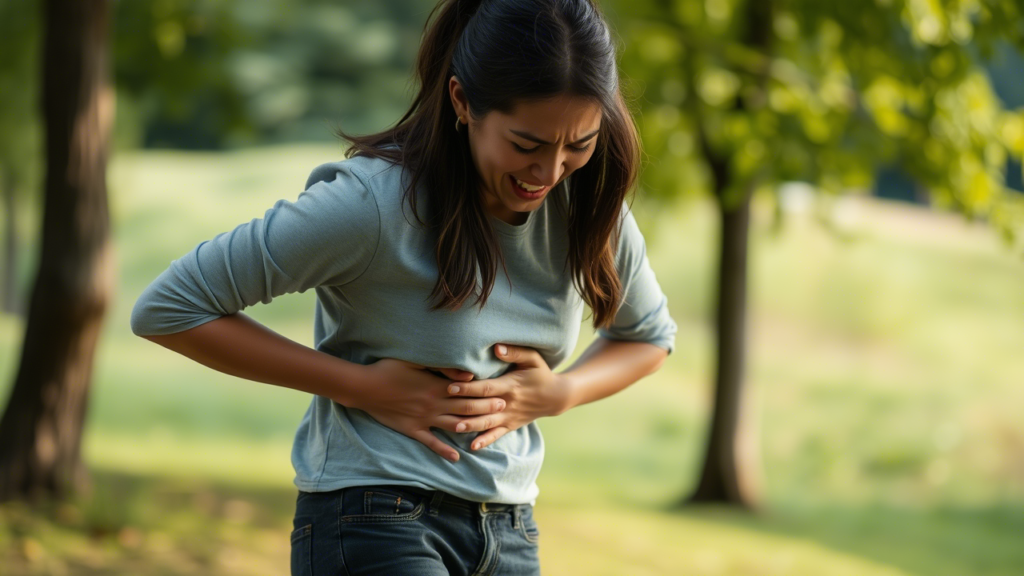
Menstrual pain is something that most women experience at some point in their lives. For many, it can range from mild discomfort to crippling cramps that disrupt daily activities. While over-the-counter medications are often the go-to solution, they may not always be suitable or sustainable in the long run. The good news is that there are numerous natural ways to alleviate menstrual pain effectively. In this article, we’ll explore ten scientific research-based, natural solutions that can help you manage and recover from menstrual pain without relying on medication. Additionally, these methods promote overall well-being and can improve your quality of life during those challenging days.
1. Heat Therapy: A Simple Yet Powerful Solution
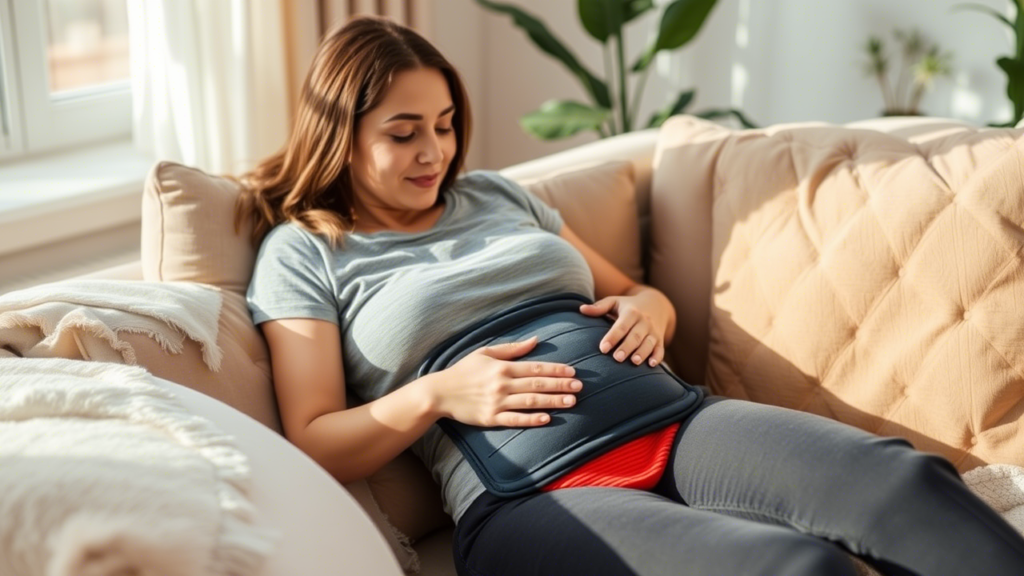
One of the easiest and most effective ways to relieve menstrual cramps is through heat therapy. Applying heat to the lower abdomen helps relax the uterine muscles, reducing spasms and easing pain. You can use a hot water bottle, heating pad, or even a warm bath. Studies have shown that heat therapy works similarly to ibuprofen in alleviating menstrual pain, making it an excellent drug-free alternative. Moreover, incorporating heat into your routine doesn’t require any special skills or equipment—just a few minutes of application can make a significant difference.
2. Exercise: Moving Your Body to Ease Cramps
When you’re feeling unwell, it might seem strange to think about exercising, but gentle movement can actually help reduce menstrual pain. Activities like yoga, walking, or even light stretching can improve blood flow and release endorphins, which are natural pain relievers. Some good yoga poses to try are Child’s Pose, Cat-Cow Stretch, and Reclined Bound Angle Pose, as they focus on the pelvic area and can provide relief. Additionally, staying active regularly throughout the month can help balance hormones and prevent severe cramps later on.
3. Dietary Changes: Nourishing Your Body Naturallyhttps://womenfitzone.in/top-10-essential-nutrient-for-women/
What you eat can greatly affect menstrual pain. Eating anti-inflammatory foods like leafy greens, nuts, seeds, and fatty fish can help reduce inflammation and lessen cramps. It’s also a good idea to cut back on caffeine, sugary processed foods, and salty snacks, as these can lead to bloating and water retention. Staying hydrated is key, too; drinking plenty of water helps flush out toxins and keeps your body running smoothly. By following a balanced diet, you’re not only tackling menstrual pain, but also boosting your overall health.
4. Herbal Teas: Soothing Both Mind and Body
Herbal teas can have a soothing effect and help ease menstrual symptoms. For example, chamomile tea has compounds that can help with muscle spasms and inflammation. Ginger tea is another great option; it can work as well as mefenamic acid, a common pain reliever, for menstrual pain. Drinking two to three cups of herbal tea each day during your period can provide both physical and emotional relief. Plus, taking the time to enjoy a warm drink adds a nice touch of self-care to your routine.
5. Massage Therapy: Hands-On Relief
Massaging your lower abdomen with essential oils can really help with menstrual pain. Oils like lavender, clary sage, and marjoram can relax your muscles and reduce inflammation. To do a massage, mix a few drops of your chosen oil with a carrier oil, like coconut or almond oil. Then, gently apply pressure in circular motions around your belly. This technique not only helps ease cramps but also promotes relaxation, making you feel more comfortable during your period.
6. Acupressure: Ancient Wisdom for Modern Pain
Acupressure is a method that uses pressure on certain spots on the body to help relieve pain. One helpful spot for easing menstrual cramps is about three finger-widths below your belly button. By gently pressing on this area for a few minutes, you can improve blood flow and lessen discomfort. Acupressure comes from traditional Chinese medicine and is now popular in modern wellness because it is safe and effective.
7. Mindfulness and Meditation: Calming the Inner Storm
Stress can make menstrual pain worse, so practicing mindfulness and meditation can really help. Techniques like deep breathing, guided meditations, and progressive muscle relaxation can calm your nervous system and ease tension in your body. This might lead to less painful cramps and a better mood during your period. Plus, these practices also help you build resilience, making it easier to cope with stress in other parts of your life.
8. Magnesium-Rich Foods: Nature’s Muscle Relaxant
Magnesium is known for its ability to relax muscles and reduce inflammation. Including magnesium-rich foods like bananas, avocados, spinach, and dark chocolate in your diet can naturally alleviate menstrual cramps. If dietary sources aren’t enough, consider taking a magnesium supplement after consulting with a healthcare provider. However, remember that moderation is key—even too much of a good thing can lead to side effects.
9. Aromatherapy: Harnessing the Power of Scents
Aromatherapy uses essential oils to improve your mental and physical health. For example, if you diffuse lavender or peppermint oil in your home, it helps create a calming atmosphere that can lower stress and relieve menstrual pain. You can also add a few drops of these oils to your bath to turn a simple soak into a healing experience. Aromatherapy is a gentle yet effective way to support other natural treatments.
10. Sleep and Rest: Prioritizing Recovery
It’s important to get enough rest during your period. Sleep helps your body heal and keeps hormones balanced, which can reduce menstrual pain. Try to set up a calming bedtime routine. Dim the lights, avoid screens, and do relaxing activities like reading or journaling. Aim for seven to nine hours of good-quality sleep each night. This can help improve your overall health and lessen menstrual discomfort.
Why Choose Natural Remedies?
In conclusion, choosing natural ways to ease menstrual pain has many benefits. First, these methods don’t come with the harmful side effects that can happen when taking medication for a long time. Second, they give you the power to manage your health more completely. Finally, adding these practices to your daily routine can lead to lasting benefits, not just for relieving cramps. Whether you pick one method or use a mix of them, staying consistent is important for seeing good results over time.
If you’ve tried any of these remedies or have additional tips to share, we’d love to hear from you! Leave a comment below and join the conversation. Together, let’s support each other in finding relief and embracing our bodies’ natural rhythms.